Bangladesh is used to long, slow-moving trains. The Metro Rail system is set to change that, and it’s not just for the people of Bangladesh. By 2030, the region will see a massive increase in passenger numbers as more and more people move to Dhaka and other cities. The TheMetroRail system is already starting to make a difference, with faster and more efficient transport options available for everyone in the region.
Introduction:
Bangladesh is used to long, slow-moving trains. The Metro Rail system is set to change that, and it’s not just for the people of Bangladesh. By 2030, the region will see a massive increase in passenger numbers as more and more people move to Dhaka and other cities. The TheMetroRail system is already starting to make a difference, with faster and more efficient transport options available for everyone in the region.
What is the Metro Rail?
The Metro Rail project is a series of lines that will connect different parts of the city. The project is expected to cost around US$5 billion and it is expected to be completed by 2022. The goal of the Metro Rail project is to make transportation in the region easier and more affordable for everyone.
What are the Goals of the Metro Rail Project?
The goals of the Metro Rail project are to improve transportation in the region, create jobs, and help reduce traffic congestion. The project will also aim to improve safety and infrastructure while reducing pollution.
How will the Metro Rail Project be accomplished?
The Metro Rail project will be accomplished through several methods, including:
-Completion of construction projects across the city
-Use of private companies to build transportation infrastructure
-Purchasing or leasing land for transportation projects
-Providing funding for the project through taxes and fees
Road renovation
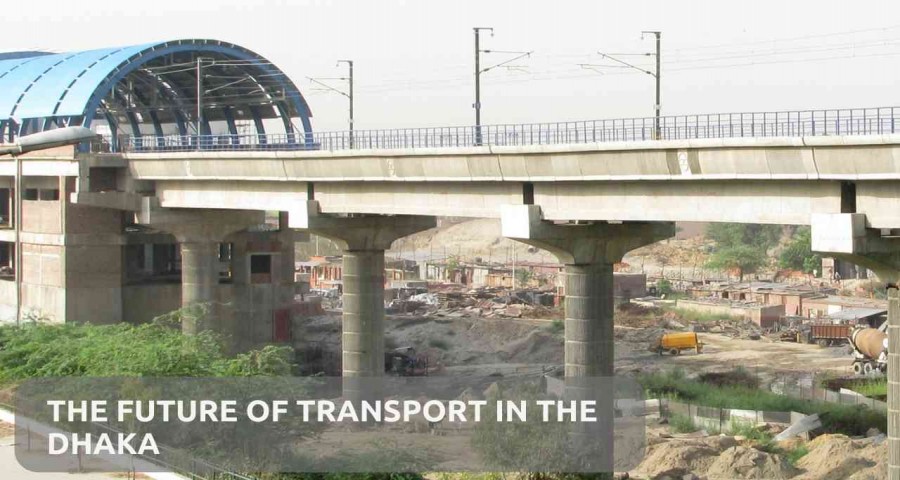
The opening of the metro rail will allow residents and workers to travel between Uttara and Motijheel at set times and with relative ease. Metro rail construction halted improvements on Begum Rokeya Avenue in 2017, allowing residents to suffer through those years of inconvenience. This reporter has spent the previous two days on Begum Rokeya Avenue, where roadwork has been going on in various spots. Workers were spotted sprucing up the road medians; construction on the metro rail stations was nearly complete, and the entire route was gloomy at night due to a lack of street lights.
A furniture store worker named Rafiqul Islam told Prothom Alo, "Construction of metro rail has brought pains to people and tremendous loss of business for five years." We accepted Mirpur despite customer reluctance due to the metro rail project.
It's a huge relief, he said, because people would be able to get about more quickly and easily.
The minimum cost has been set by the government at Tk 20, and the whole fare will vary depending on the travel distance. Getting from Uttara to Motijheel would cost you Tk 100. You can get tickets directly at the station, or you can use a permanent card that has to be recharged to get tickets.
DMTC claims that the current 20-minute travel time between Uttara north station and Agagaon would be reduced to 16-17 minutes over time. For the first two to three months after the Metro's opening, ridership will be lower than usual. The current schedule of five trains per day (morning and afternoon) falls short of the minimum need of one train every four minutes.
Five more metro rails
Aiming to reduce traffic congestion in Dhaka and the surrounding areas, the government has approved a proposal to construct a communications system with six metro lines by 2030. One of these six lines (the Uttara-Motijheel-Kamlapur route) would be used to introduce metro rail.
Upon reaching full capacity, DMTC predicts that metro rail would see 5 million daily riders on six lines, including 483,000 riders on line 6. In addition, it is estimated that 200,000 fewer tonnes of carbon dioxide will be released into the atmosphere once metro rail line 6 is up and running.
Following the completion of line 1, construction will begin on line 6. Line 1 will have two routes: a tunnel from the Kamlapur train station to the Hazrat Shahjalal International Airport and a flyover from the Natun Bazar to the Purbachal neighborhoods. At a cost of Tk 525.61 billion, the line-1 project has a target completion date of 2026.
Line-1 construction is expected to begin in June of next year after eight consulting firms from Japan, France, India, and Bangladesh were hired in October.
In the north, Line 5 will connect Hemayetpur and Vatara through Mirpur 10 and Gulshan, while in the south, it will connect Gabtoli and Dasherkandi via Panthapath, Hatijheel, Rampura, and Aftabnagar.
To go to Chatttogram Road, line 2 will travel from Gabtoli through Basila, Mohammadpur, Jigatala, New Market, Dhaka Medical College, Gulistan, Arambag, Kamalarapur, and Mugda. Kamalapur to Naeayanganj will make up the fourth and final MRT line.
Uncertainty surrounds the start of projects, the completion of construction, and the introduction of metro rails due to the fact that progress has not been made according to the plan to finish the construction of six metro rail lines by 2030.
Conclusion
The Metro Rail Project is a massive undertaking that will bring heavy rail service to the city of Detroit. The goals of the project are to improve transportation in the city, reduce pollution, and create jobs. The Metro Rail Project is expected to be completed by 2022 and will have a significant impact on both the city and its citizens.